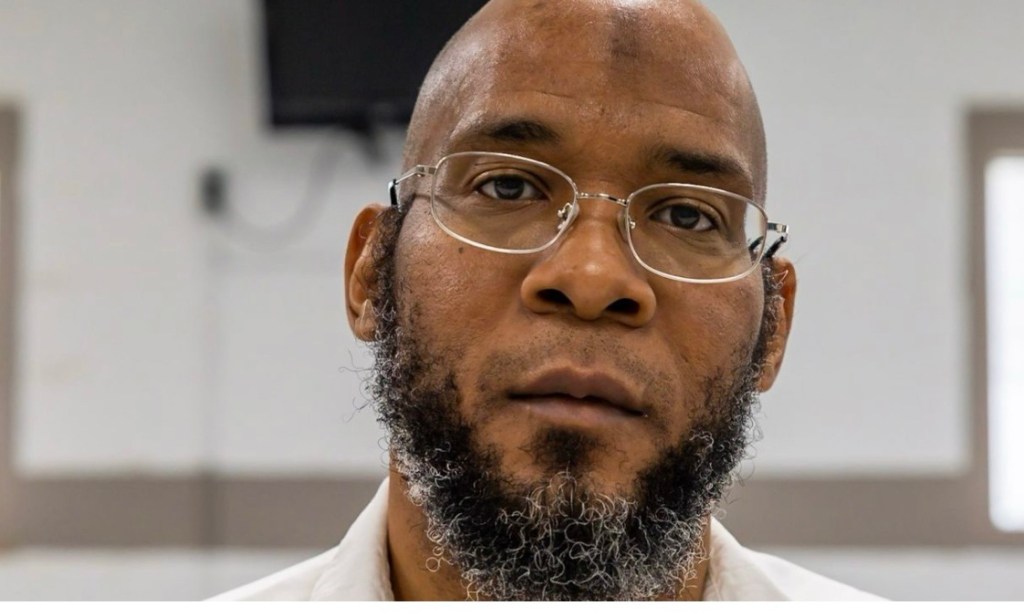
Washington, DC – In a case that has sparked national controversy and calls for criminal justice reform, the state of Missouri executed Marcellus Williams, despite requests from prosecutors and the family of the victim to spare his life. Williams, convicted of the 1998 murder of Felicia Gayle, was put to death by lethal injection, with his final moments marked by a swell of protests both inside and outside the courtroom.
Williams’ case has long been shadowed by questions of innocence and concerns about the fairness of his trial. He was convicted largely based on circumstantial evidence, with no DNA linking him to the crime scene. In fact, DNA testing conducted in 2015 revealed that the male DNA found on the murder weapon did not match Williams. This revelation led many, including the prosecution team and Gayle’s own family members, to urge the governor to reconsider the execution.
Prosecutors, who rarely argue for clemency in capital cases, took the unusual step of advocating for a stay of execution. They pointed to the DNA results and other inconsistencies in the case, expressing doubt about Williams’ guilt and citing the risk of executing an innocent man. Despite this, Missouri’s governor declined to halt the execution, citing the state’s legal process and previous court rulings that upheld the conviction.
Felicia Gayle’s family also joined the call for mercy, noting that while they deeply mourned her tragic death, they could not support the execution of a man whose guilt remained in doubt. “We want justice, not vengeance,” a family spokesperson said in a public statement, echoing concerns that Williams might not have been the true perpetrator.
Civil rights advocates and legal experts argue that the case highlights significant flaws in the American criminal justice system, particularly in how it handles death penalty cases. They have long warned that racial bias, inadequate legal representation, and the potential for wrongful convictions are rampant in capital punishment cases, and Williams’ execution has become a rallying cry for abolitionist movements across the country.
Marcellus Williams maintained his innocence until the end. In a final statement, he expressed sympathy for the victim’s family and continued to assert that he had been wrongly convicted. His death reignites a bitter debate over the use of the death penalty in America, particularly in cases where doubts about guilt persist.
The case of Marcellus Williams leaves behind a profound sense of injustice for many, raising serious questions about the moral and ethical underpinnings of the death penalty and the dangers of executing potentially innocent individuals.





 Jenleeíon Magazine
Leave a Reply