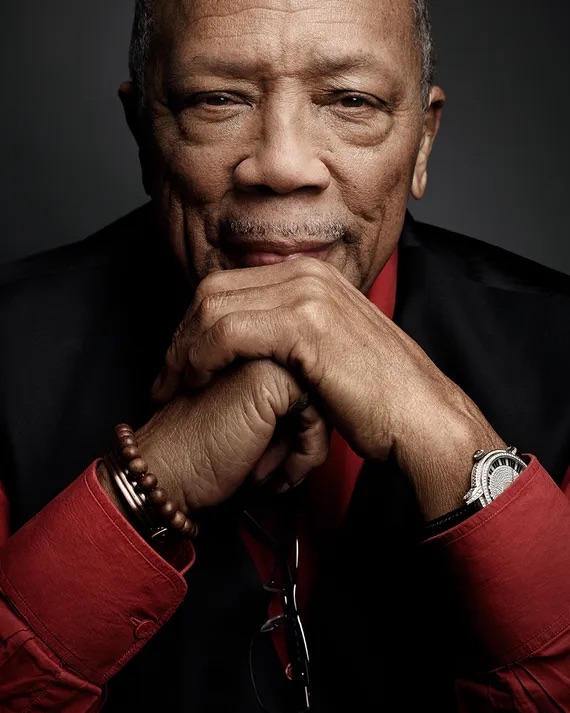
The music world is mourning the loss of Quincy Jones, a trailblazing icon whose influence shaped decades of music and entertainment. Quincy Jones, who passed away [insert date of death], leaves behind a profound legacy that spans over 70 years in the industry. Known as a musician, composer, arranger, record producer, and cultural icon, Jones broke boundaries, defied expectations, and set a new standard in music and popular culture.
Early Life and Musical Roots
Quincy Delight Jones Jr. was born on March 14, 1933, in Chicago, Illinois. Growing up during the Great Depression, Jones discovered his passion for music at an early age. His family moved to Seattle, Washington, where he began studying trumpet and honed his craft in local jazz bands. By his teenage years, his talent was evident, and he earned a scholarship to the prestigious Berklee College of Music in Boston.
However, Jones left Berklee early to tour with bandleader Lionel Hampton, an experience that would ignite his career. In the 1950s, he worked as a composer and arranger for jazz legends like Dizzy Gillespie, Count Basie, and Duke Ellington. This period established Jones as a rising star in the jazz world and showcased his talents as a groundbreaking arranger and composer.
Breakthroughs and Genre-Crossing Success
Throughout his career, Jones crossed genres effortlessly—from jazz to pop, R&B, and even classical music. After moving to Paris in the late 1950s, he continued studying composition with the renowned Nadia Boulanger, further refining his musical style. His role as musical director for Mercury Records in the early 1960s made him one of the first African Americans to hold a prominent executive position in a major record company.
In the 1970s, Jones shifted his focus to producing, which is where his career truly exploded. He produced a string of successful records with artists like Frank Sinatra, including the classic album Sinatra at the Sands, which introduced the world to a new sound in jazz and pop fusion. His groundbreaking production style merged orchestration with funk, soul, and jazz, laying the foundation for many of today’s genres.
The Michael Jackson Collaboration
Jones is perhaps best known for his legendary collaboration with Michael Jackson in the 1980s, producing three of Jackson’s iconic albums: Off the Wall (1979), Thriller (1982), and Bad (1987). Thriller became the best-selling album of all time, boasting hits like “Billie Jean,” “Beat It,” and “Thriller.” Jones’s intricate, genre-blending production style helped elevate Jackson into the stratosphere of superstardom and made the album a cultural milestone. This collaboration remains a landmark in pop music history, setting records that are unlikely to be broken.

Film and Television Contributions
Jones also made his mark in Hollywood. He composed music for over 30 films, including The Pawnbroker, In Cold Blood, and The Color Purple. His work on The Color Purple, based on Alice Walker’s Pulitzer Prize-winning novel, earned him an Academy Award nomination, marking another historical achievement for African Americans in film. In addition to scoring films, Jones produced numerous television projects and created “The Fresh Prince of Bel-Air,” which introduced the world to Will Smith and had a lasting impact on television and pop culture.
Social Impact and Activism
Jones wasn’t just a musical genius; he was also a committed social activist. In 1985, he spearheaded the recording of “We Are the World,” a charity single to support African famine relief. Written by Michael Jackson and Lionel Richie, the song brought together dozens of music’s biggest stars and became one of the best-selling singles of all time, raising millions for humanitarian aid.
Beyond music, Jones was an advocate for civil rights, consistently using his platform to call for greater inclusivity and social change. He became involved in numerous organizations dedicated to education, health, and the arts, striving to ensure that underrepresented voices would have access to opportunities that he himself fought hard to earn.
Honors and Accolades
Quincy Jones’s impact on the industry is reflected in the countless honors he received. With 28 Grammy Awards (out of a record 80 nominations), an Emmy, and a Grammy Legend Award, he is one of the most awarded artists in music history. He was also awarded the Kennedy Center Honors, the National Medal of Arts, and an honorary doctorate from Berklee College of Music.
Jones’s legacy continues through his productions, his philanthropic endeavors, and his influence on countless musicians, producers, and entertainers. He leaves behind a body of work that not only elevated the sound of modern music but also celebrated the diverse experiences and voices within it.
A Lasting Legacy
Quincy Jones was more than a music producer; he was a visionary who changed the way the world experienced sound. His fearless creativity, commitment to excellence, and dedication to social causes made him a legend and a role model for artists everywhere. Though he may no longer be with us, his music and his legacy will continue to inspire future generations. The world has lost a true titan of culture, but the rhythms, melodies, and groundbreaking ideas he introduced to the world will resonate for years to come.
Quincy Jones, thank you for the music, the vision, and the courage. Your legacy lives on.
Legendary Music Icon Quincy Jones Passes Away: A Tribute to His Legacy
The music world is mourning the loss of Quincy Jones, a trailblazing icon whose influence shaped decades of music and entertainment. Quincy Jones, who passed away [insert date of death], leaves behind a profound legacy that spans over 70 years in the industry. Known as a musician, composer, arranger, record producer, and cultural icon, Jones broke boundaries, defied expectations, and set a new standard in music and popular culture.
Early Life and Musical Roots
Quincy Delight Jones Jr. was born on March 14, 1933, in Chicago, Illinois. Growing up during the Great Depression, Jones discovered his passion for music at an early age. His family moved to Seattle, Washington, where he began studying trumpet and honed his craft in local jazz bands. By his teenage years, his talent was evident, and he earned a scholarship to the prestigious Berklee College of Music in Boston.
However, Jones left Berklee early to tour with bandleader Lionel Hampton, an experience that would ignite his career. In the 1950s, he worked as a composer and arranger for jazz legends like Dizzy Gillespie, Count Basie, and Duke Ellington. This period established Jones as a rising star in the jazz world and showcased his talents as a groundbreaking arranger and composer.
Breakthroughs and Genre-Crossing Success
Throughout his career, Jones crossed genres effortlessly—from jazz to pop, R&B, and even classical music. After moving to Paris in the late 1950s, he continued studying composition with the renowned Nadia Boulanger, further refining his musical style. His role as musical director for Mercury Records in the early 1960s made him one of the first African Americans to hold a prominent executive position in a major record company.
In the 1970s, Jones shifted his focus to producing, which is where his career truly exploded. He produced a string of successful records with artists like Frank Sinatra, including the classic album Sinatra at the Sands, which introduced the world to a new sound in jazz and pop fusion. His groundbreaking production style merged orchestration with funk, soul, and jazz, laying the foundation for many of today’s genres.
The Michael Jackson Collaboration
Jones is perhaps best known for his legendary collaboration with Michael Jackson in the 1980s, producing three of Jackson’s iconic albums: Off the Wall (1979), Thriller (1982), and Bad (1987). Thriller became the best-selling album of all time, boasting hits like “Billie Jean,” “Beat It,” and “Thriller.” Jones’s intricate, genre-blending production style helped elevate Jackson into the stratosphere of superstardom and made the album a cultural milestone. This collaboration remains a landmark in pop music history, setting records that are unlikely to be broken.
Film and Television Contributions
Jones also made his mark in Hollywood. He composed music for over 30 films, including The Pawnbroker, In Cold Blood, and The Color Purple. His work on The Color Purple, based on Alice Walker’s Pulitzer Prize-winning novel, earned him an Academy Award nomination, marking another historical achievement for African Americans in film. In addition to scoring films, Jones produced numerous television projects and created “The Fresh Prince of Bel-Air,” which introduced the world to Will Smith and had a lasting impact on television and pop culture.
Social Impact and Activism
Jones wasn’t just a musical genius; he was also a committed social activist. In 1985, he spearheaded the recording of “We Are the World,” a charity single to support African famine relief. Written by Michael Jackson and Lionel Richie, the song brought together dozens of music’s biggest stars and became one of the best-selling singles of all time, raising millions for humanitarian aid.
Beyond music, Jones was an advocate for civil rights, consistently using his platform to call for greater inclusivity and social change. He became involved in numerous organizations dedicated to education, health, and the arts, striving to ensure that underrepresented voices would have access to opportunities that he himself fought hard to earn.
Honors and Accolades
Quincy Jones’s impact on the industry is reflected in the countless honors he received. With 28 Grammy Awards (out of a record 80 nominations), an Emmy, and a Grammy Legend Award, he is one of the most awarded artists in music history. He was also awarded the Kennedy Center Honors, the National Medal of Arts, and an honorary doctorate from Berklee College of Music.
Jones’s legacy continues through his productions, his philanthropic endeavors, and his influence on countless musicians, producers, and entertainers. He leaves behind a body of work that not only elevated the sound of modern music but also celebrated the diverse experiences and voices within it.
A Lasting Legacy
Quincy Jones was more than a music producer; he was a visionary who changed the way the world experienced sound. His fearless creativity, commitment to excellence, and dedication to social causes made him a legend and a role model for artists everywhere. Though he may no longer be with us, his music and his legacy will continue to inspire future generations. The world has lost a true titan of culture, but the rhythms, melodies, and groundbreaking ideas he introduced to the world will resonate for years to come.
Quincy Jones, thank you for the music, the vision, and the courage. Your legacy lives on.





 Jenleeíon Magazine
Leave a Reply