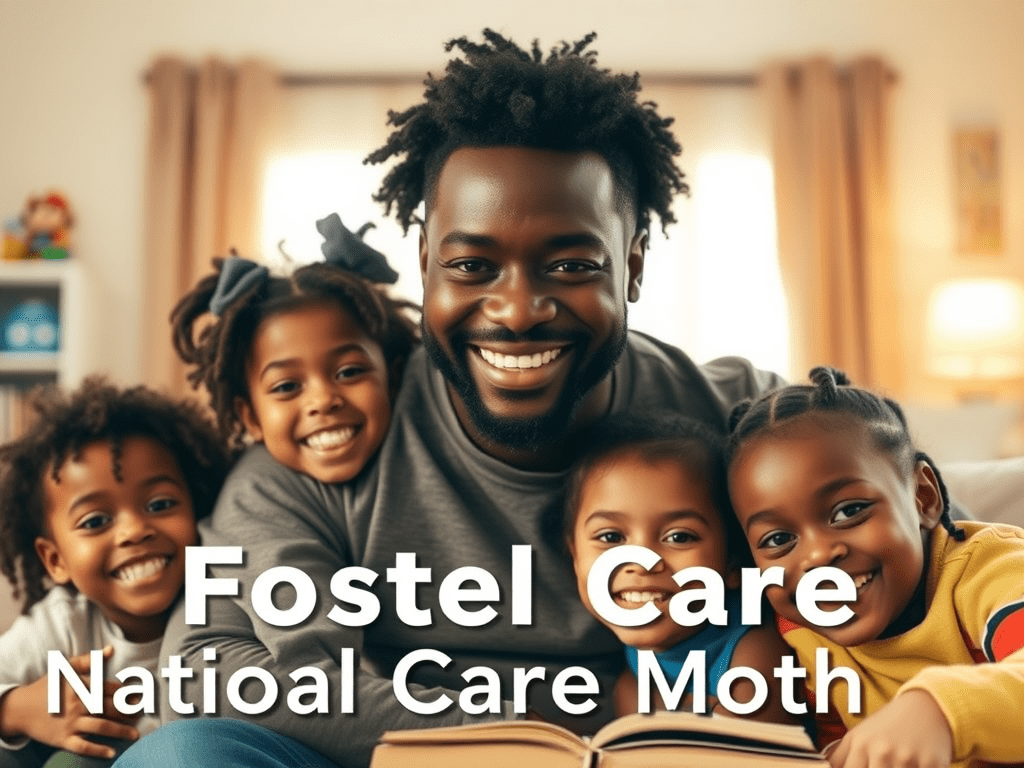
May is National Foster Care Month
Every May, communities across the United States come together to recognize and support the critical role of the foster care system. May is National Foster Care Month, a time dedicated to acknowledging the contributions of foster families, caseworkers, volunteers, and child welfare advocates who work tirelessly to improve the lives of children in care. It’s also a moment to raise awareness of the ongoing needs within the foster care system and how every individual can make a difference.
The History and Purpose of Foster Care Month
A Tradition Rooted in Advocacy
Established in 1988 through a presidential proclamation, National Foster Care Month was created to shine a spotlight on the growing need for foster parents and to elevate the voices of children in care. Since then, the month has expanded into a national movement of compassion, outreach, and advocacy.
Why It Still Matters
With over 391,000 children and youth in foster care across the U.S., the month serves as a vital platform for promoting permanency, strengthening family connections, and celebrating those who support foster youth on their journey toward stability.
Foster Care in America: A Snapshot
| Stat | Insight |
|---|---|
| 391,000+ | Children in U.S. foster care (latest stats) |
| 30,000+ | Age out of foster care without permanent families annually |
| 45% | Live with non-relative foster families |
Foster youth face unique challenges including frequent transitions, trauma, and instability. Yet, many rise above these hardships with support from dedicated caregivers and advocates.
Who Benefits from Foster Care Awareness
Raising awareness does more than inform—it saves lives. It brings support to children who’ve experienced abuse or neglect, motivates community involvement, and promotes stronger policies to protect and uplift foster families.
Honoring Foster Families and Social Workers
Foster parents provide more than just shelter—they offer stability, compassion, and hope. Social workers act as the lifeline connecting children to essential resources. During May, agencies host awards ceremonies, appreciation luncheons, and share stories to honor these heroes.
Personal Stories That Inspire Change
Meet Carlos, a 22-year-old now mentoring teens in care after aging out of the system. Or the Reynolds family, who fostered over 30 children in two decades. These stories humanize statistics and remind us that every act of care can ripple outward.
How the Community Can Get Involved
- Volunteer: Join local CASA programs or community mentorships.
- Host Awareness Events: Organize school panels, virtual forums, or movie nights featuring foster care documentaries.
- Support Drives: Donate backpacks, hygiene kits, or gift cards for foster teens.
Supporting Children in Foster Care Beyond May
Transitioning out of foster care at age 18 or 21 can be daunting. That’s why ongoing support—including housing programs, scholarships, and job training—is crucial.
Debunking Common Foster Care Myths
| Myth | Truth |
|---|---|
| Foster parents must be married | Single individuals can foster too |
| Foster children are “troubled” | Most children are survivors of trauma, not behaviorally disordered |
| Fostering is expensive | Agencies provide financial support and resources |
Key Organizations Making a Difference
- National Foster Parent Association
- FosterClub
- Children’s Rights
These groups offer resources, advocacy platforms, and foster family networks. Visit https://www.childwelfare.gov/fostercaremonth/ for more.
How to Become a Foster Parent
Steps typically include:
- Completing a background check
- Attending training sessions
- Completing a home study
- Partnering with a licensing agency
Support continues after placement through case management, respite care, and peer support.
Foster Care and Mental Health Awareness
May also aligns with Mental Health Awareness Month, emphasizing emotional resilience for foster youth. Many children have endured trauma, so access to counseling and trauma-informed care is vital.
Faith-Based and Cultural Support in Foster Systems
Churches, synagogues, and mosques often lead foster family drives or host information sessions. Cultural liaisons ensure that foster youth maintain ties to their heritage and identity, helping build belonging and resilience.
Legislation and Policy Improvements
Recent policies like the Family First Prevention Services Act promote family reunification and prevention services. Advocacy continues for better funding, equitable placement, and reduced racial disparities in care.
FAQs About Foster Care Month
Q1: What is National Foster Care Month?
A: A nationwide campaign recognizing foster families and advocating for child welfare.
Q2: How can I help if I can’t foster?
A: Volunteer, donate, or mentor youth through community programs.
Q3: Is there a shortage of foster homes?
A: Yes, especially for teens, siblings, and children with medical needs.
Q4: What support do foster parents receive?
A: Financial stipends, training, counseling access, and 24/7 assistance.
Q5: How long do foster children stay with families?
A: It varies—weeks to years—depending on reunification or adoption timelines.
Q6: Are there age restrictions to becoming a foster parent?
A: You must be at least 21 (in most states), though requirements may vary.
Conclusion and Call to Action
May is National Foster Care Month, but the spirit of compassion it embodies must live year-round. Whether you open your home, your heart, or your hands in service, your role can change a child’s life forever. Stand up, speak out, and support foster youth today.





 Jenleeíon Magazine
Leave a Reply