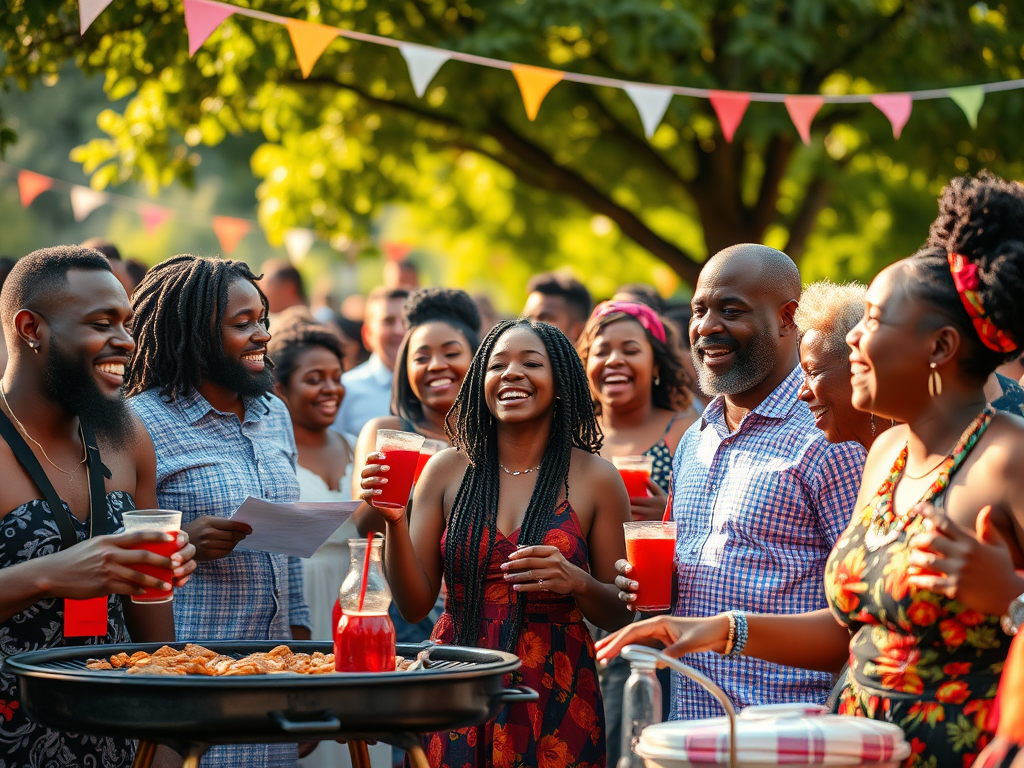
Juneteenth is more than a holiday—it’s a powerful symbol of freedom, resilience, and Black American heritage. Discover its history, meaning, and why we celebrate today.
What is Juneteenth?
Juneteenth, short for June Nineteenth, commemorates the day when the last enslaved African Americans in the United States were informed of their freedom. This occurred in Galveston, Texas, on June 19, 1865—more than two years after President Abraham Lincoln issued the Emancipation Proclamation.
It’s widely seen as America’s second Independence Day, marking a critical milestone in the journey toward racial equality.
When and Where Did Juneteenth Begin?
Though Lincoln signed the Emancipation Proclamation in 1863, it wasn’t until Union troops, led by General Gordon Granger, arrived in Texas on June 19, 1865, that enslaved people there finally learned they were free. The delay was due to a mix of resistance, distance, and lack of federal enforcement.
That day sparked the very first Juneteenth celebration in Texas, which would later spread across the country and evolve over time.
Why Juneteenth Matters Today
Juneteenth stands as a living reminder of freedom delayed—but not denied. It also highlights the importance of awareness, historical justice, and the resilience of the Black community. In 2021, Juneteenth became a federal holiday, elevating its cultural significance and expanding its reach to more Americans.
The Emancipation Proclamation
Issued on January 1, 1863, the Emancipation Proclamation declared all enslaved people in Confederate states legally free. However, the enforcement of this order depended heavily on the advancement of Union troops.
General Order No. 3 and Galveston, Texas
On June 19, 1865, General Granger announced General Order No. 3 to the people of Galveston, proclaiming all slaves free. It was a transformational moment, as many enslaved Texans hadn’t heard the news or had it withheld from them.
The Delay of Freedom
This delay represents one of the most profound truths about Juneteenth: freedom isn’t always immediate. It’s fought for, delayed, and eventually achieved—often through resilience and unity.
Early Celebrations
The earliest Juneteenth celebrations were deeply spiritual, featuring prayer meetings, singing, and readings of the Emancipation Proclamation. Barbecue, red drinks, and communal gatherings soon became staples.
Civil Rights Era and Resurgence
During the Civil Rights Movement, Juneteenth saw a revival as activists drew inspiration from its powerful roots. It became a day not just for celebration, but also for protest and advocacy.
From Local Holiday to National Recognition
Texas was the first state to declare Juneteenth an official holiday in 1980. By 2021, after years of advocacy, Juneteenth was declared a federal holiday—bringing its message to the national stage.
Legislative Journey to Recognition
Activists and organizations like Opal Lee, often called the “Grandmother of Juneteenth,” fought tirelessly to bring national recognition. Their efforts culminated in bipartisan support for the Juneteenth National Independence Day Act.
President Biden Signs Juneteenth National Independence Day Act
On June 17, 2021, President Joe Biden signed the act into law, making Juneteenth the 11th federal holiday. It was a momentous occasion for civil rights history.
Cultural and Community Significance
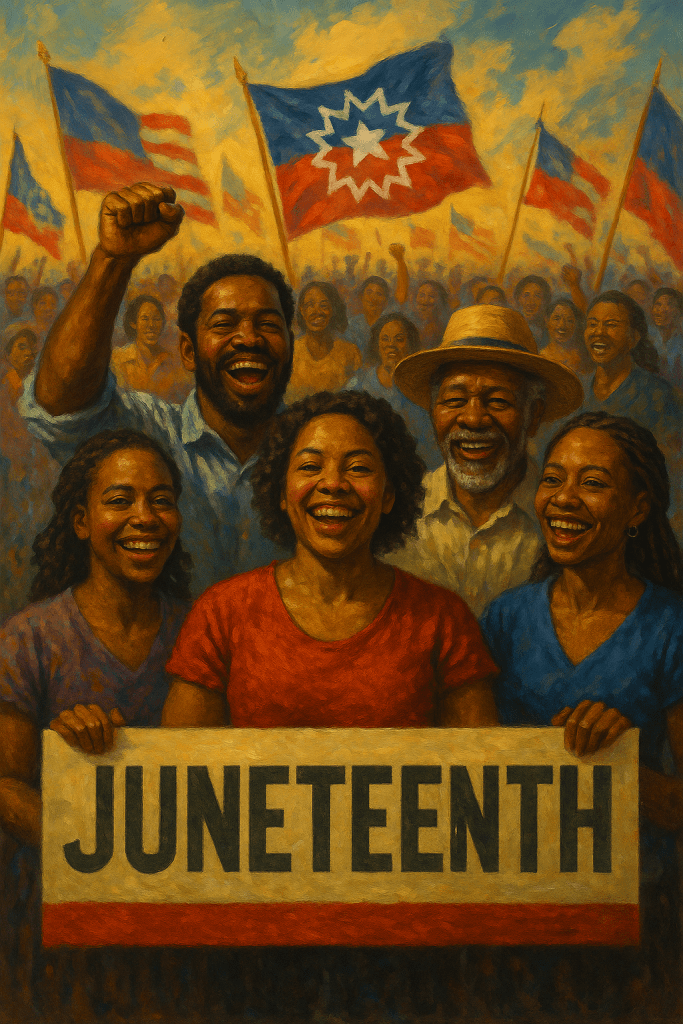
Traditional foods like red velvet cake, watermelon, and hibiscus drinks symbolize resilience and cultural memory. Red, representing the bloodshed and strength of African Americans, is a central color.
Role of Food, Music, and Family
Family reunions, live music, soul food, and storytelling sessions are integral to Juneteenth gatherings. These traditions honor ancestors while building a future rooted in unity.
Black Joy and Resilience
More than just remembrance, Juneteenth is about Black joy, healing, and the vibrant spirit of a people who continue to shape American identity.
Celebrating Juneteenth Across the U.S.
Festivals, Parades, and Gatherings
From Atlanta to Los Angeles, cities host parades, cultural festivals, historical reenactments, and cookouts. These events spotlight Black-owned vendors, artists, and community leaders.
Educational Events and Reflection
Museums, libraries, and schools hold seminars, film screenings, and public lectures to educate people about Juneteenth’s legacy and its relevance today.




 Jenleeíon Magazine
Leave a Reply