The global security landscape remains tense as multiple conflicts continue to unfold, with the United States playing a significant but indirect role in each. While the U.S. is not officially at war, its influence is deeply felt through military aid, strategic alliances, and diplomatic involvement.
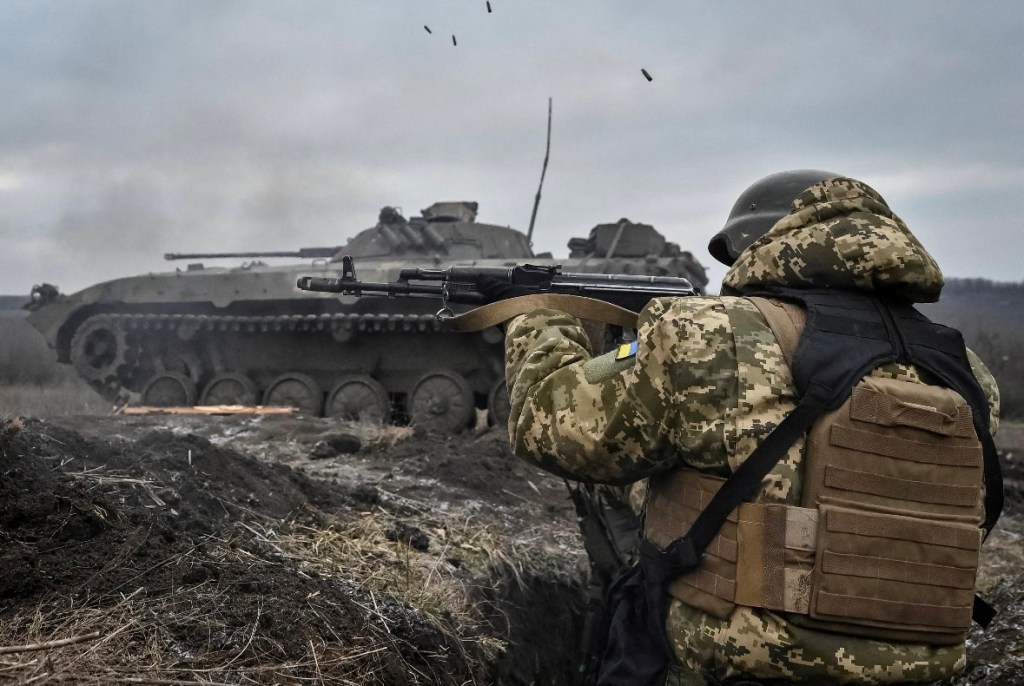
The war between Russia and Ukraine continues to dominate global attention. Fighting remains active, particularly in eastern regions, with both sides engaged in ongoing offensives and defensive operations. The United States continues to provide Ukraine with military equipment, intelligence support, and financial assistance. However, there is growing debate within the U.S. about the long-term sustainability of this support, especially as costs rise and political divisions increase.
In the Middle East, tensions remain high between Israel and Hamas. Military operations and humanitarian concerns continue to shape the situation. The United States remains a strong ally of Israel, offering military aid and strategic backing, while also pushing for humanitarian relief efforts and ceasefire negotiations. This balancing act has placed the U.S. in a complex diplomatic position on the global stage.
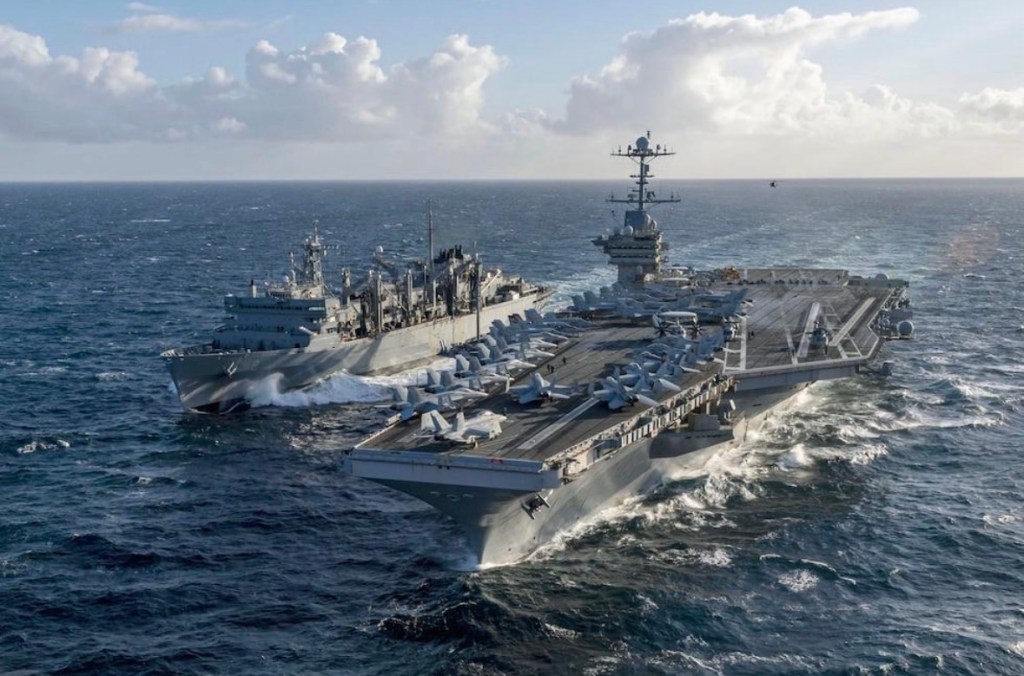
Beyond active war zones, the United States is also facing increasing strategic competition with China. While not an active war, tensions around Taiwan, trade, and military presence in the Indo-Pacific region are growing. The U.S. has increased military readiness and strengthened alliances in the region as a deterrent, signaling the importance of maintaining stability.
For the United States, these global conflicts have direct and indirect impacts. Economically, ongoing wars contribute to fluctuations in energy prices, supply chain disruptions, and inflationary pressures. Politically, they influence debates over foreign policy, defense spending, and international priorities. From a national security perspective, the U.S. is focused on preventing escalation while maintaining its role as a global leader.
Overall, the current global situation reflects a period of heightened tension rather than a single, unified war. The United States remains heavily involved through support and strategy, but continues to avoid direct large-scale combat. The direction of these conflicts will play a major role in shaping U.S. policy and global stability throughout the rest of the year.
Source for more information: U.S. Department of Defense – https://www.defense.gov




 Jenleeíon Magazine
Leave a Reply